
What Schools Need to Do Now for SEND Inclusion Bases
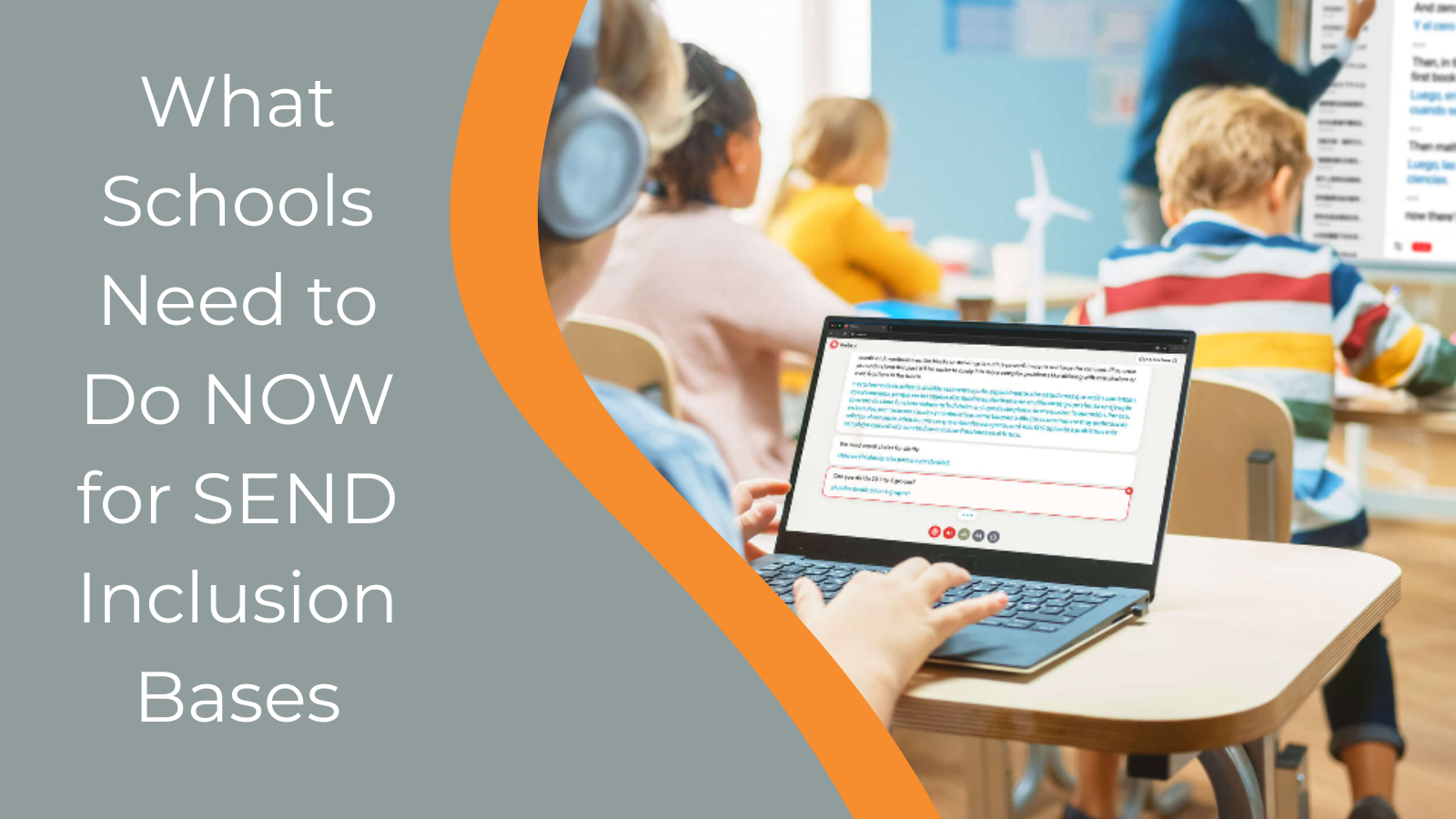
The 2026 SEND reforms mark a significant shift in how schools are expected to support pupils with special educational needs and disabilities (SEND). With a stronger emphasis on early intervention, mainstream inclusion, and structured support pathways, schools must act now to prepare.
Inclusion bases will play a central role in this new landscape—bridging the gap between classroom teaching and specialist provision. Alongside structural change, assistive technology will become increasingly important in enabling access, communication, and independence.
- Prepare for a More Inclusive Mainstream System
The SEND reforms place clear expectations on schools to meet a wider range of needs within mainstream settings—often without the need for an EHCP.
To prepare, schools should review:
- How mainstream classrooms are adapting teaching for diverse needs
- The role of inclusion bases or nurture spaces within the whole-school offer
- Availability and effectiveness of behaviour support, sensory environments, and calm spaces
Enhancing Inclusion with Assistive Technology
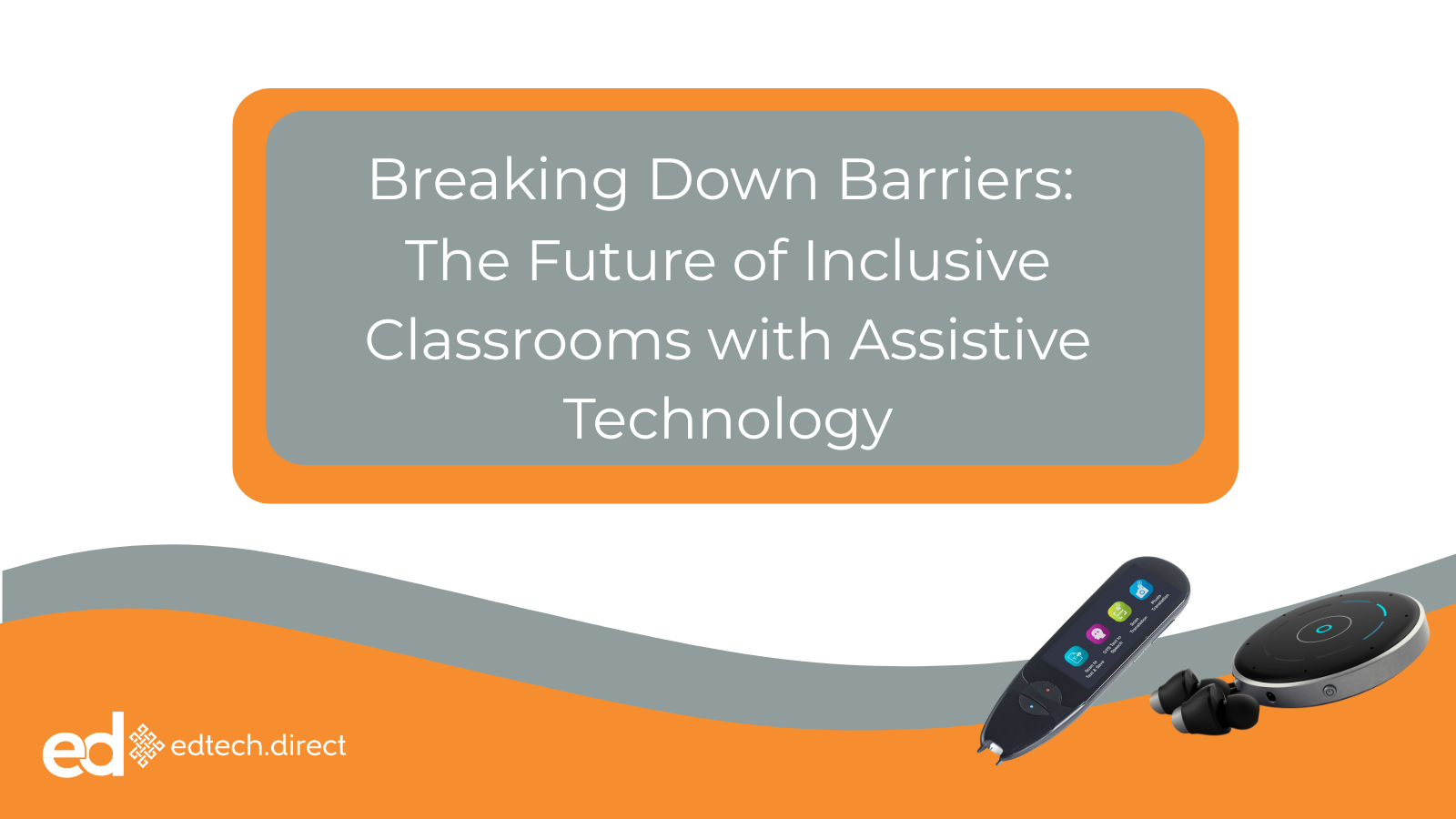
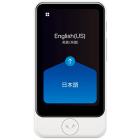
Inclusive environments are significantly strengthened when pupils can access communication and sensory support tools in real time. Technologies such as Pocketalk can support multilingual learners and pupils with communication barriers by enabling instant translation, helping reduce anxiety and improve participation in lessons.
- Adopt the New Tiered Model of SEND Support
Schools are expected to transition to a four-tier model of support:
- Universal – High-quality adaptive teaching and early intervention
- Targeted – Structured small group interventions
- Targeted Plus – Regular access to specialist professionals (“Experts at Hand”)
- Specialist – Provision for pupils with complex needs
Inclusion bases will typically operate across Universal, Targeted, and Targeted Plus levels, requiring flexible staffing and adaptable learning environments.
Technology Supporting Tiered Intervention
Assistive tools can help schools deliver consistent support across tiers:
- Vurbo.ai can support speech-to-text and communication accessibility, enabling pupils to engage more independently in lessons and interventions
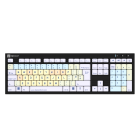
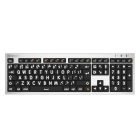
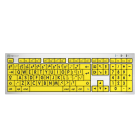
- LogicKeyboard provides accessible keyboard solutions that support pupils with physical or cognitive barriers, particularly in structured intervention settings
These tools help ensure that interventions are not only structured—but also accessible.
- Implement Digital Individual Support Plans (ISPs)
A major change is the introduction of mandatory Individual Support Plans (ISPs) for every pupil with SEND.
Schools should begin:
- Establishing systems to create, maintain, and review digital ISPs
- Training staff to record provision, progress, and adaptations effectively
- Building strong co-production processes with families
- Aligning inclusion base interventions directly to ISP outcomes
Making ISPs More Effective Through Accessible Tech
Digital ISPs become significantly more powerful when paired with tools that support real-time communication and accessibility:
- Nuance Hearing can support pupils with hearing difficulties by improving clarity of speech in classroom environments, helping ensure ISP targets are accessible and measurable
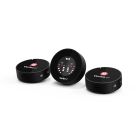
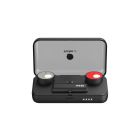
- Lili for Life supports pupils with hearing and sensory needs by enhancing visual and auditory accessibility, strengthening engagement with learning plans
This ensures ISPs are not just documentation tools, but active drivers of inclusion.
- Strengthen Capacity and Expertise
With more responsibility placed on schools to meet needs earlier, internal capacity becomes critical.
Key areas to review include:
- SENCO workload and leadership capacity, particularly around inclusion bases
- Availability of trained intervention staff and specialist teaching assistants
- Readiness to work with local “Experts at Hand” services
- Whole-staff preparedness for updated SEND training expectations
Embedding Assistive Technology into Daily Practice
To reduce staff pressure and increase learner independence, schools should embed assistive technology into everyday practice rather than treating it as specialist-only provision. Tools like Pocketalk, Vurbo.ai, Nuance Hearing, Lili for Life, and LogicKeyboard can significantly reduce barriers to communication and access, particularly within inclusion bases.
- Prepare for Changes to EHCP Use
EHCPs will continue—but they will be more tightly focused on pupils with the most complex needs.
Schools should be ready for:
- A higher number of pupils supported without an EHCP
- Increased reliance on school-led provision and inclusion bases
- Stronger transition planning across key stages
- Greater accountability for meeting needs before escalation
In this context, inclusion bases—and the technologies that support them—become essential in bridging the gap between classroom learning and specialist provision.
Summary: What Schools Should Prioritise Now
|
Priority |
What to Do Immediately |
Why It Matters |
|
Audit inclusion provision |
Review inclusion bases, sensory spaces, and classroom adaptations |
Supports greater mainstream inclusion |
|
Build ISP systems |
Select digital platforms, train staff, standardise reviews |
ISPs will be statutory |
|
Review tiered pathways |
Align provision to Universal → Targeted → Targeted Plus |
Ensures early intervention |
|
Plan workforce changes |
Strengthen SENCO capacity and upskill staff |
More needs met internally |
|
Update policies |
Review behaviour, SEND, and curriculum policies |
Ensures compliance |
Cost-Effective, Durable, Ready to Deploy
All Edtech.Direct solutions are designed for everyday school use, work across all key stages, and include full support and training.
By integrating assistive technologies such as Pocketalk, Vurbo.ai, Nuance Hearing, Lili for Life, and LogicKeyboard into inclusion bases, schools can significantly enhance accessibility, independence, and engagement.
Turn Your Inclusion Base into a Centre of Independence and Achievement
If you're reviewing your SEND provision or planning next steps, now is the time to act.
Feel free to get in touch for a short call or Teams meeting to explore how to strengthen your inclusion base and prepare for the reforms.
Use the link below to book a meeting with Paul Phillips, our Educational Specialist, to discuss your requirements:


-
 Lili Lamp Plus£156.76
 -
 Pocketalk S2 eSIM 5 year White£197.21















Subscribe to our Mailing List
For news, product updates, offers and more, signup to our newsletter. See our Privacy Policy here